Sumit Kumar Jha
Formal methods for trustworthy AI, from model checking at Carnegie Mellon to controlling agentic AI today.
Verification and synthesis techniques that make learned systems interpretable, controllable, and certifiable. U.S. citizen.
$17M+ in sponsored research as PI across 16 federal programs
Published at NeurIPS, ICML, ICLR, ACL, EMNLP, CVPR, AAAI, IJCAI, DAC, and ICCAD
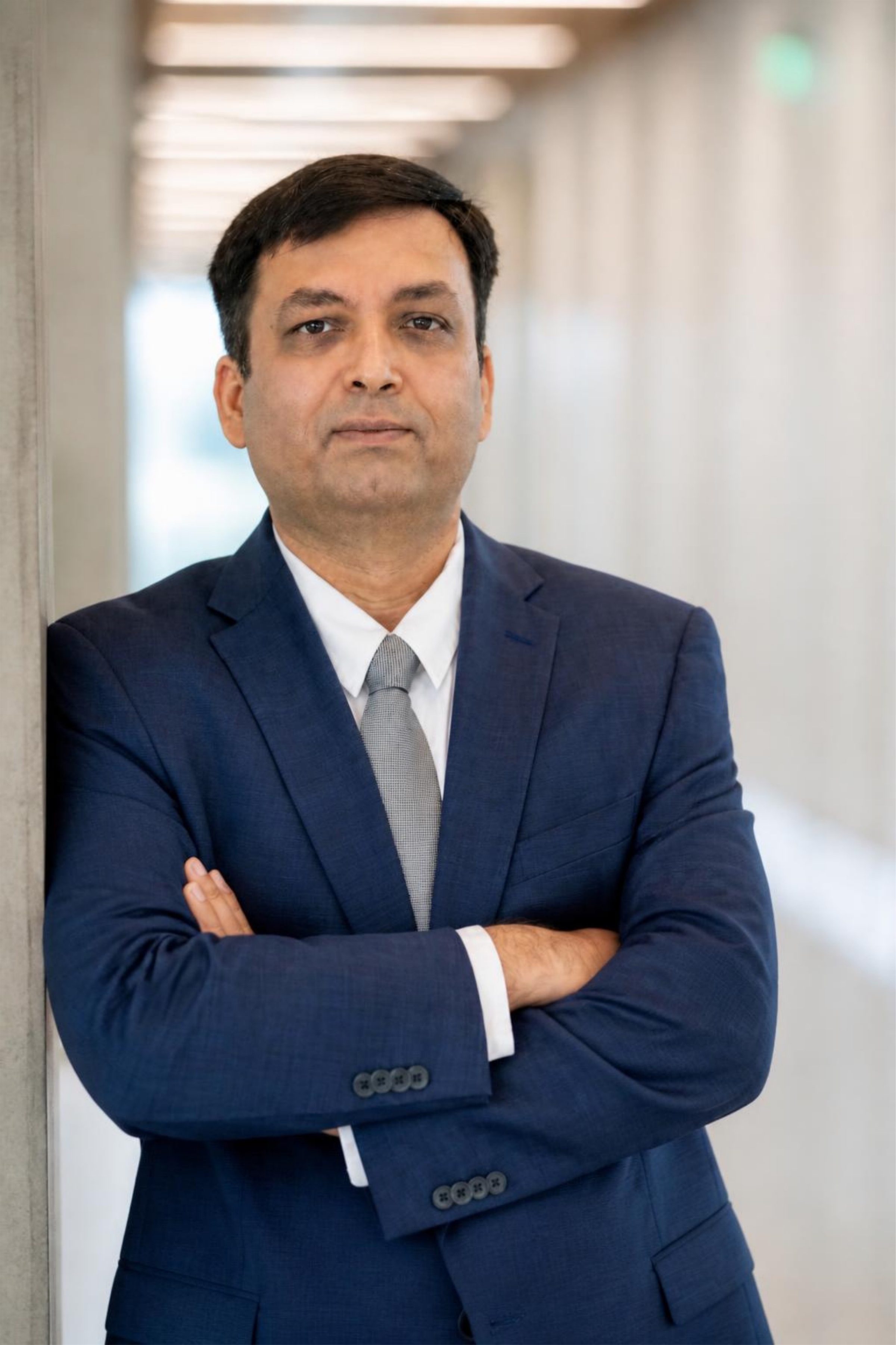
Sumit Kumar Jha works on formal methods and trustworthy AI: verification and synthesis techniques that make learned systems interpretable, controllable, and certifiable. One line of work holds machine learning to logical specifications: counterexample-guided synthesis with LLMs, temporal-logic grounding of natural language, formal verification of chain-of-thought faithfulness, and contract enforcement over multi-agent trajectories. A second develops attribution and steering methods for inspecting and controlling model internals. Both now apply to AI for science: scientific foundation models and the formal analysis of their internal representations.
He has served as lead or prime PI on DARPA CLARA, GARD, TIAMAT, and UPTAIC awards, NSF SPX and SHF awards, ONR Science of AI, and a DOE ASCR multi-institution project, with additional support from AFRL/AFOSR and national laboratories. His work appears at AAAI, ACL, CVPR, DAC, EMNLP, ICCAD, ICLR, ICML, IJCAI, and NeurIPS.
Research
Four areas of current work{{ p.title }}
{{ p.desc }}
Featured papers
All 177 publications →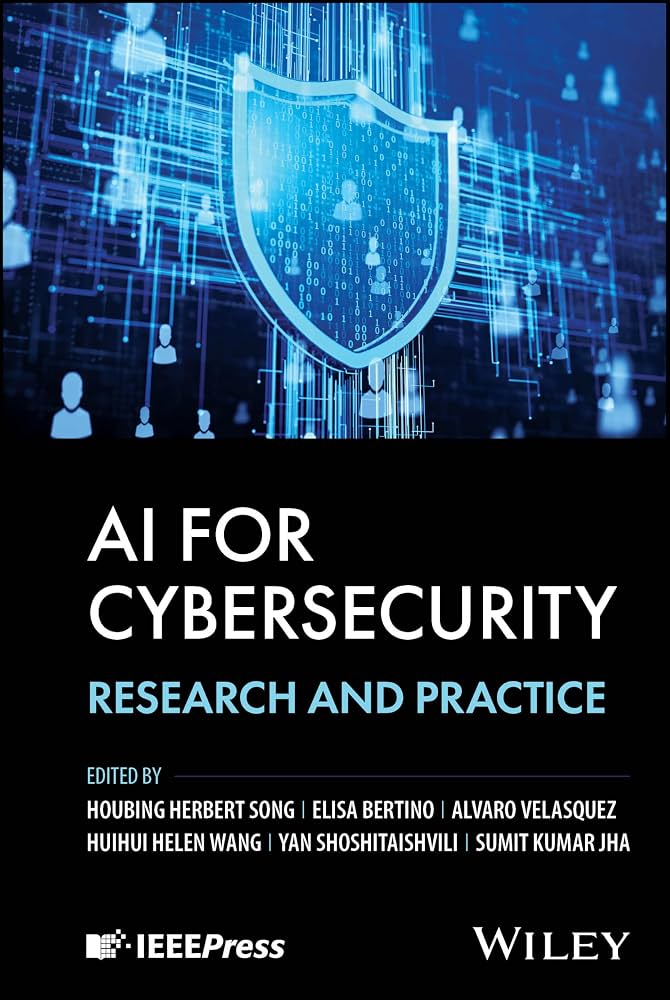
Sponsored research led as PI, across sixteen federal programs from DARPA, NSF, DOE, ONR, and the Air Force, including a $5.1M six-institution DOE consortium with Argonne and a $4.5M DARPA prime award.
Students
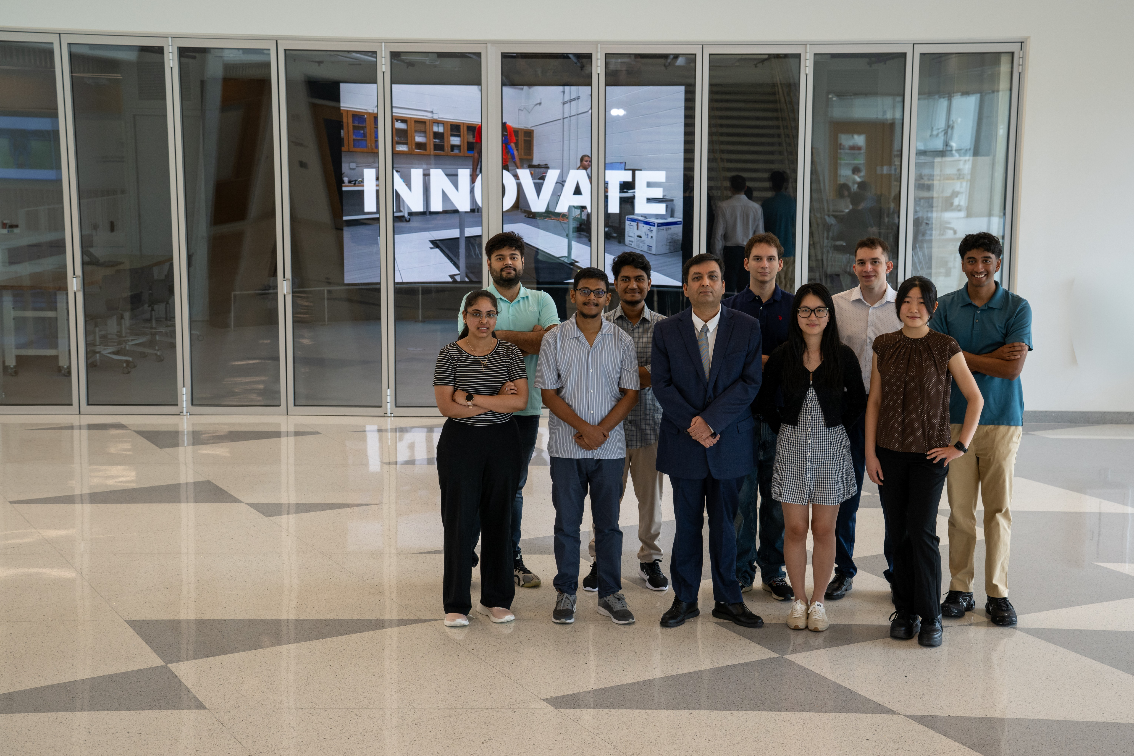
Alumni have gone on to faculty positions (CU Boulder, Oakland, UCF), national laboratories (AFRL, ORNL), government, and industry (Google, Lockheed Martin, Sanofi Pasteur).
Collaboration, advising, and speaking.
Twenty years of turning specifications into guarantees: for hybrid systems, for in-memory hardware, and now for foundation-model agents. Available for engagements.
Start a conversationTalks & press
News
{{ n.text }}